

Tokyo is a city that actively promotes environmental initiatives, and even in the luxury property market, many residences are designed with sustainability in mind.
In this article, we will explain what “environmentally friendly” homes in Tokyo are, introduce the key features of eco-conscious properties, and present two luxury eco-friendly residences in Tokyo.
We will also explore Tokyo’s environmental initiatives and the benefits of choosing sustainable properties, so please use this guide as a helpful reference.
Tokyo Aims to Achieve Net-Zero CO₂ Emissions by 2050
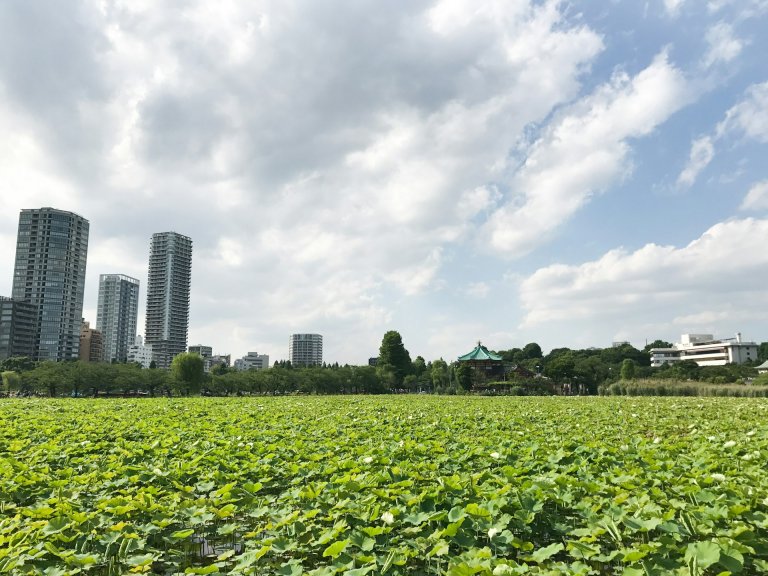
At the U20 Tokyo Mayors Summit in 2019, the Tokyo Metropolitan Government declared its goal to reduce CO₂ emissions in Tokyo to net zero by 2050.
To achieve this target, the city established a concrete roadmap known as the “Zero Emission Tokyo Strategy.” This plan promotes initiatives such as the widespread adoption of residential fuel cells and the expansion of zero-emission housing, which are now actively being implemented.
What Are “Eco-Friendly” Homes in Tokyo?
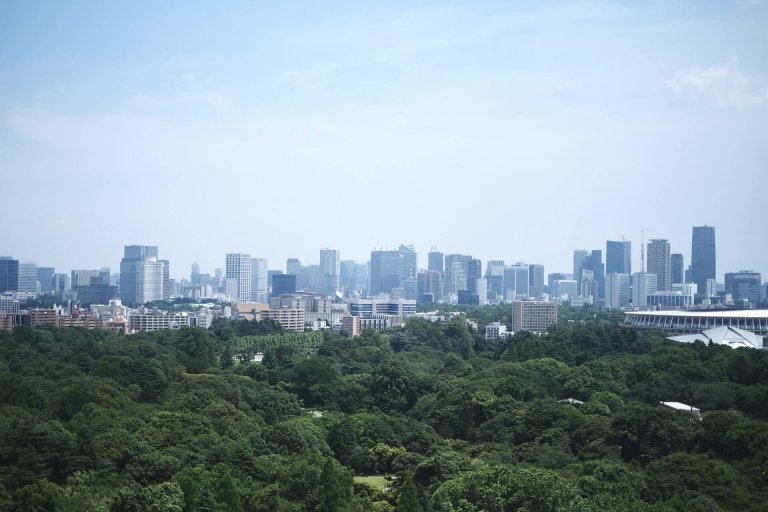
Since approximately 30% of Tokyo’s total energy consumption comes from the residential sector, the city strongly encourages measures such as installing solar panels and storage batteries, adopting high-insulation building designs, and introducing energy-efficient home equipment to move toward net-zero emissions.
Among these efforts, people who are building or renting new homes are increasingly encouraged to choose ZEH (Net Zero Energy House) properties—homes designed so that annual household energy consumption is effectively balanced to net zero.
For apartment buildings with six floors or more, the evaluation standard known as “ZEH-M Oriented” has been established. Buildings can receive this certification by meeting specific insulation standards and achieving a 20% reduction in energy consumption.
Therefore, when selecting a sustainable property in Tokyo, whether a building has ZEH-M Oriented certification can serve as an important benchmark.
Features of Eco-Friendly Properties
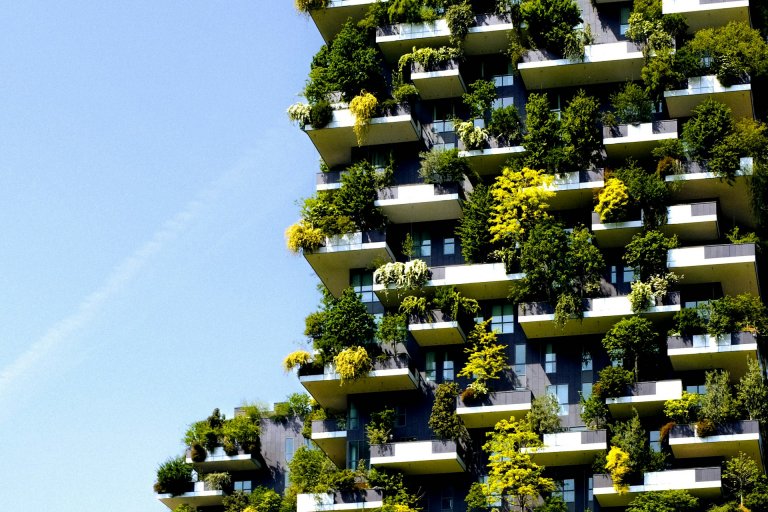
The key features of eco-friendly properties are as follows:
- Use of recycled materials
- Energy-efficient and environmentally friendly equipment
- Designs that harmonize with nature
Below is an explanation of these three features.
Use of Recycled Materials
Some environmentally conscious properties use recycled materials, natural materials, and low-VOC paints to minimize environmental impact.
In addition, when highly insulated materials are used for walls and roofs, the indoor environment becomes less affected by outdoor temperatures, making it possible to heat and cool the home with less energy consumption, resulting in an energy-efficient residence.
Energy-Efficient and Eco-Friendly Equipment
Another characteristic of eco-friendly properties is the presence of energy-efficient and environmentally friendly systems.
If you are looking for a sustainable property, check whether it includes high-efficiency air conditioning, hot water systems, and lighting, as well as renewable energy systems such as solar power generation.
Designed in Harmony with Nature
Some environmentally friendly properties are designed to coexist with nature.
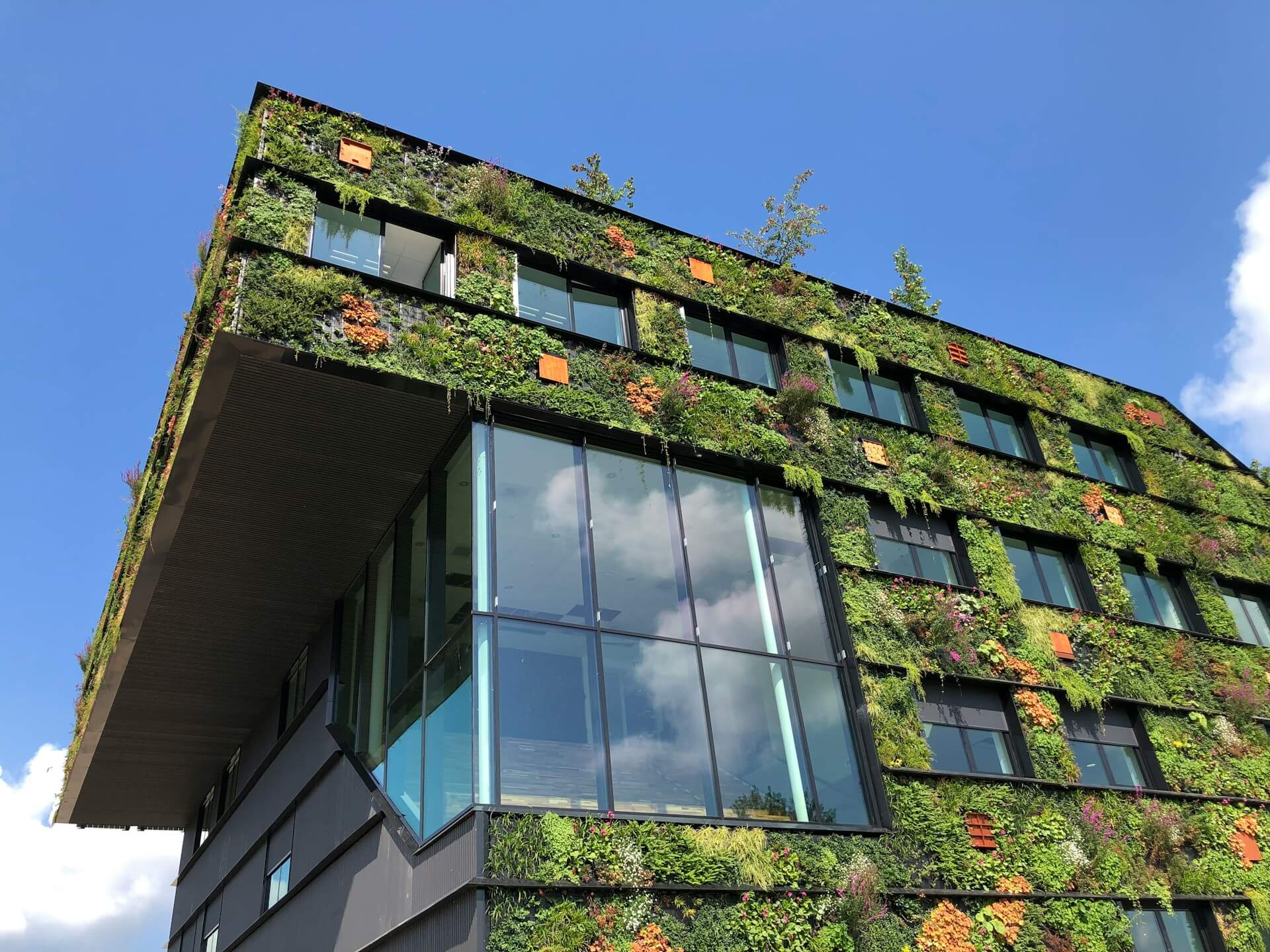
Buildings that incorporate green rooftops or vertical greenery help reduce the urban heat island effect, while properties that maximize natural lighting and natural ventilation are considered particularly environmentally friendly.
Benefits of Choosing an Eco-Friendly Property
The benefits of choosing an eco-friendly property include the following three points:
- Achieving a comfortable living environment
- Reducing energy consumption
- Expecting long-term asset value growth
Below is an explanation of these three benefits.
Achieving a Comfortable Living Environment
By choosing an eco-friendly property, you can enjoy a comfortable living environment that stays cool in summer and warm in winter.
Buildings with high insulation ratings use high-performance insulation materials and windows, making it easier to maintain a stable indoor temperature with less influence from outdoor weather.
When indoor temperatures remain consistent, the risk of heat shock can also be reduced.
Reducing Energy Consumption
Environmentally conscious properties often incorporate highly energy-efficient systems, which help reduce overall energy consumption.
Lower energy usage leads to reduced utility costs, and properties equipped with solar power systems and battery storage can provide backup electricity during power outages caused by typhoons or earthquakes, offering additional peace of mind.
Expecting Long-Term Asset Value Growth
Eco-friendly properties are also expected to offer long-term asset value growth.
As environmental awareness continues to rise, the demand for sustainable housing is increasing compared to conventional homes.
For example, properties certified as ZEH (Net Zero Energy House) may receive strong interest from buyers who value environmental responsibility, which can contribute to improved resale value.
Two Eco-Friendly Luxury Residences in Tokyo
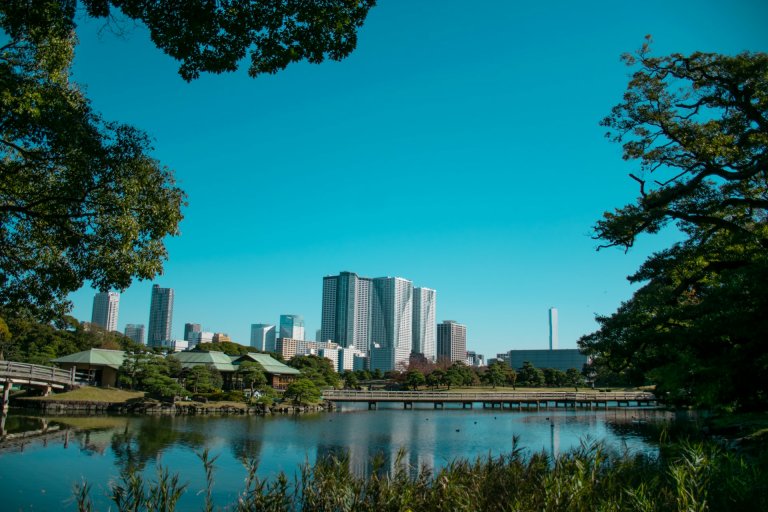
The following are two eco-conscious luxury properties in Tokyo:
- MITA GARDEN HILLS SOUTH HILL
- LIVIO RESIDENCE NISHIAZABU
Below is an overview of each property.
MITA GARDEN HILLS SOUTH HILL
MITA GARDEN HILLS SOUTH HILL is a luxury residence located in the southeast section of Mita Garden Hills, Japan’s largest condominium development where every unit is ZEH-Oriented.
Equipped with advanced eco-friendly systems, the property not only helps reduce CO₂ emissions but also features energy-saving designs powered by solar energy and fuel cells, enabling stable electricity supply even during emergencies.
Another highlight is its premium lifestyle offering, including concierge services in partnership with the Imperial Hotel, as well as a variety of shared facilities such as a swimming pool and fitness room.
Property details for MITA GARDEN HILLS SOUTH HILL can be found here.
LIVIO RESIDENCE NISHIAZABU
LIVIO RESIDENCE NISHIAZABU is a luxury residence designed not only for comfort but also for harmonious coexistence with a sustainable society and environment.
The property has earned ZEH-M Oriented certification and the highest rating in BELS (Building-Housing Energy-efficiency Labeling System), demonstrating outstanding environmental performance.
The entrance hall features natural materials such as wood and stone, and 51% of the site is dedicated to lush greenery that allows residents to enjoy seasonal landscapes, creating a serene and comfortable living environment.
Property details for LIVIO RESIDENCE NISHIAZABU can be found here.
Conclusion – Sustainable Luxury Living in Tokyo
In this article, we explored what eco-friendly living in Tokyo looks like, the key features of sustainable properties, and two luxury eco-conscious residences in the city.
If you are looking for sustainable luxury properties in Tokyo, we recommend searching with Asian Property’s APARTMENTS TOKYO.APARTMENTS TOKYO offers a wide selection of high-quality luxury residences in Tokyo and provides comprehensive English support for international clients, making your property search smooth and stress-free. Feel free to contact us for more information.
Schedule a Free Consultation or Property Viewing
→ Contact Form
Receive Exclusive Property Updates & Special Campaigns
→ Newsletter Signup